


Sunday July 6, 2025 | VICTORIA, BC
Health policy insights by Mary P Brooke, B.Sc. | Island Social Trends
Dealing with menopause can be a challenge for some women.
Menopause is usually considered to have arrived when a period of 12 months without a menstrual period, vaginal bleeding or spotting has passed.
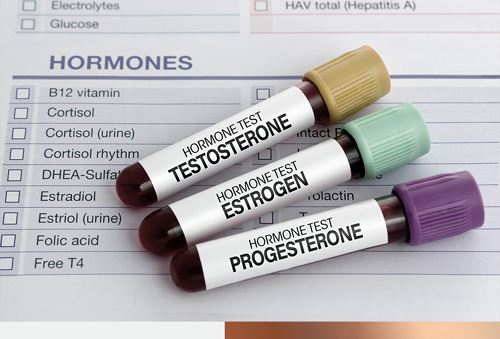
Physiologically, menopause is experienced by the body as a result of changes in hormone levels (primarily estrogen and progesterone that are produced by a woman’s ovaries during her fertile years) such as a woman’s ovaries no longer release an egg every month. It’s a normal process seen when a woman’s body is past her years of being fertile.

The beginning of menopause usually occurs between age 40 to 55. Premature menopause can be triggered by system shock such as surgery or emotional trauma.
Stigma and silence about menopause have been declining in recent years.
It’s clear that women experience ageism as they get older. The role for older women has not yet been clearly defined in Canadian society. Stabilizing the body functionality of women gives them a better shot at continued participation with family, workplace and community.

Free hormone replacement starts March 2026:
While the headline for the news release on July 4 featured a new menopause clinic in Vancouver, the Ministry of Health buried the lead . Here’s the biggest news: free hormone replacement starting March 2026.
This comes on the heels of BC providing free birth control for women in their reproductive years, which came into effect in April 2023.
“The Province will enhance menopause care by providing free public coverage of hormone replacement therapy to treat menopausal symptoms,” it was stated in Friday’s release.
“This is a significant step toward improving health care for women and gender-diverse people throughout their lifetimes,” the BC Ministry of Health states in their July 4 news release.

Benefits of hormone replacement:
Hormone replacement therapy by the medical system seeks to balance or rebalance the levels of estrogen, progesterone and testosterone. This approach to therapy treats the condition that requires correciton.
There are also natural remedies that might be more gentle on the body by allowing the body to make its own adjustments in this natural phase of life. Menopause is not an illness, but the natural end of female fertility. The component of improved or adjusted nutrition is not usually mentioned in the medical approach to menopause.
Health Canada says hormone replacement therapy reduces a woman’s risk of heart disease by half and prevents and treats osteoporosis.
Uncomfortable symptoms:
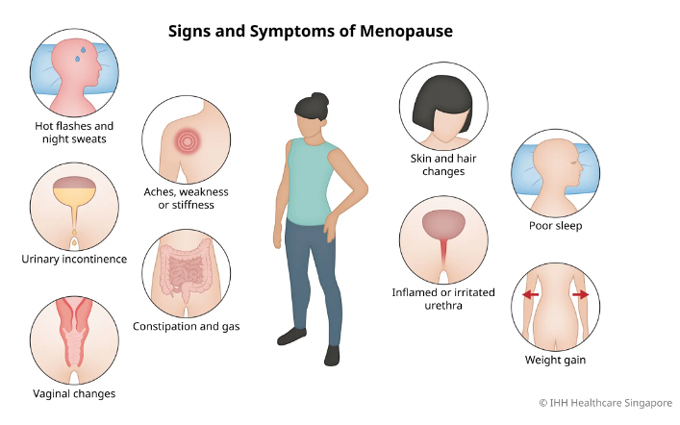
The usual symptoms of menopause might feel uncomfortable to some women:
- Irregular periods and changes in your period flow
- Mood swings
- Low sex drive
- Sleep problems
- Weight gain
- Hot flashes
- Night sweats
- Joint pain

New clinic in Vancouver:
As part of the uptake in providing care for women experiencing uncomfortable menopause symptoms BC’s Women’s Hospital and Health Centre in Vancouver has launched a new Complex Menopause Clinic. They offer a Complete Guide to Menopause.
Referral to the menopause clinic is required from health-care providers. Women who do not have a primary care provider can get a referral from an urgent and primary care clinic or a walk-in clinic.
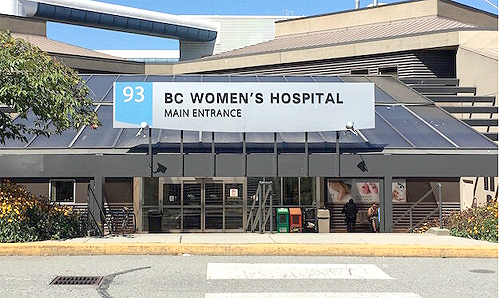
The clinic provides both in-person and virtual care to patients and enhances existing BC Women’s Hospital-led programs related to complex menopause, such as bone, breast and heart health services. The Complex Menopause Clinic offers a range of services, including specialist consultation, counselling, medication management and referrals to other services. Since opening, the clinic has delivered approximately 150 care appointments to eligible patients whose complex menopause symptoms could not be managed otherwise.
“Additionally, people who experience premature menopause and those with spinal cord injuries and other chronic diseases and conditions, require clinical expertise that are unavailable in other settings. These specialized services are offered at this clinic,” the ministry’s news release states.

Health minister’s comment:
“Women and gender-diverse people face unique health challenges that are often overlooked – and menopause is one of them,” said BC Health Minister Josie Osborne in a news release on July 4.
“This new clinic will strengthen the continuum of care for people navigating complex menopause and is another step we’re taking to build a health-care system that’s compassionate, equitable and is there for people through every stage of life.”
Gender equity comment:
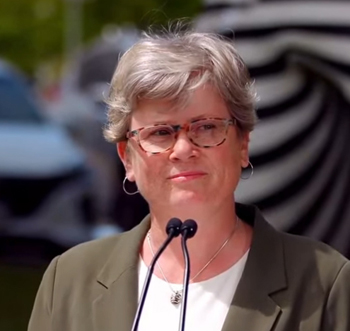
“Menopause is a normal stage in life that is not always talked about and many people are expected to endure it quietly,” said Jennifer Blatherwick, parliamentary secretary for gender equity.
“This new clinic is here to change that. It offers a supportive space for specialized menopause care and is a step toward advancing more compassionate care.”

The health ministry’s news release states that “approximately 85% of people experience bothersome or debilitating symptoms during their menopause, such as hot flashes, poor sleep, mental-health concerns and joint pain”.
Research component:
In partnership with the Women’s Health Research Institute and the University of British Columbia, the clinic will embed research throughout its services to increase understanding of people’s experiences through menopause and drive new, evidence-based health solutions. The data collected will be used to inform and improve care for women and gender-diverse people during the menopause transition.
The ministry says that this builds on work government is doing to support women and gender-diverse people through menopause and strengthen B.C.’s universal health-care system.

Professorship:
BC Women’s Health Foundation has provided critical funding to establish a professorship within the clinic. This experienced clinician will lead both research and care delivery.
Alongside its founding donors, the foundation has also supported the launch and ongoing operations of the clinic. Through ongoing fundraising, BC Women’s Health Foundation will continue to advance the delivery of menopause care.

===== RELATED:
NEWS SECTIONS: HEALTH | WOMEN IN SOCIETY | AGE & GENERATIONS