


Saturday December 6, 2025 | VICTORIA, BC [Posted at 1:13 pm PT | Updated December 7, 2025]
Commentary by Mary P Brooke | Island Social Trends
See below: Statements by Governor General, Prime Minister, Leader of the Official Opposition, BC Premier
Editor’s note ~ Mary P Brooke:
“I was a young woman and a young mother, when the Montreal Massacre happened in 1989. At the time, I recalled my recent completion of university and the experience of misogyny and gender discrimination that befelled upon my career in my 20s — both on campus and in the workplace.
The tragic shooting on December 6, 1989 was misogyny coming out of the closet. People still didn’t talk about it back then let alone understand it. The associations of women being held back in society by the systemic exclusions and often inexplicable violence that we see in Canada is really only slowly being acknowledged or articulated.
Kudos to BC Finance Minister Brenda Bailey who during the province’s National Day of Remembrance and Action on Violence Against Women vigil on December 4 reminded people about how things were different back in the 1980s.
Finance Ministry could take the lead:
Education about gender inequities is happening — moderately effective at best, and actions are even weaker.
In BC, for example, the gender equity portfolio still falls under the Finance Ministry (apparently a legacy from former Finance Minister and then Deputy Premier Carole James heading up that ministry).
But the portfolio still remains there — perhaps defaulting to the belief that money and income are the only measure of well-being in society, or that it simply isn’t worth the administrative effort to shift the file to its own ministry of women’s issues.
Where misogyny shows:
Where and how misogyny shows up:
- Women going missing through unaddressed violence are recognized by red dress symbolism — this is still a barely understood horrific component of Canadian gender violence.
- Intimate partner violence (IPV) has become endemic, but root causes (including the oppression of men as full human beings when slotted into the role of ‘breadwinner’) are not articulated.
- The cumulative impacts of missed opportunities for women in their careers are incalculable — based only on gender or misjudgments about intelligence or propensity to leave the workforce (for maternity) … including the knock-on impacts to their children who do with less because their mothers had to make do with less.
Slow progress with child care:
Women in the 1980s made a shift into corporate society (remember the broad-shoulder blazers!) and the world wasn’t ready. Yes, some programs like child care and maternity leave finally found some semblance of functionality in society at that time.
Feminism fall-back:
Feminism had seen gains in the 1960s and 1970s but that started falling back in the 1980s, and has done so again in the past 15 years or so.
And the insidious emergence of a phenomenon among men that are now known as ‘incels’ (men with no opportunity for sex with women through perceived as no fault of their own) was only beginning to emerge.
It’s good that modern politics acknowledges the Montreal Massacre and from it have established the National Day of Remembrance and Action on Violence Against Women (see statements below from the Prime Minister, BC’s Premier and others).
But the women who have dramatically fallen and have been indelibly underserved since the transformation of women’s status in society are still quietly unrecognized. A few generations of children and families have been impacted.
But the work continues, as the simple premise that all people are deserving of full rights and opportunities on this earth and in society is inextinguishable.” ~ Mary P Brooke, Editor, Island Social Trends
===== RELATED:
- Dec 4 vigil at BC Parliament front steps for 36th Action on Violence against Women (December 4, 2025)
- BC government supports Violence Against Women Week (April 26, 2025)
- NEWS SECTIONS: WOMEN IN SOCIETY | FAMILY & SOCIETY
On December 6, the 14 fallen women are remembered:
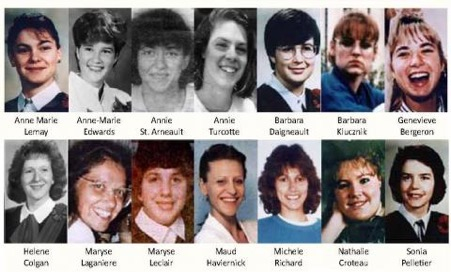
- Geneviève Bergeron
- Hélène Colgan
- Nathalie Croteau
- Barbara Daigneault
- Anne-Marie Edward
- Maud Haviernick
- Barbara Klucznik-Widajewicz
- Maryse Laganière
- Maryse Leclair
- Anne-Marie Lemay
- Sonia Pelletier
- Michèle Richard
- Annie St-Arneault
- Annie Turcotte
Premier’s, minister’s, parliamentary secretary’s statements on National Day of Remembrance and Action on Violence Against Women
Premier David Eby, Attorney General Niki Sharma, Parliamentary Secretary for Gender Equity Jennifer Blatherwick – Victoria, BC – Dec 6, 2025
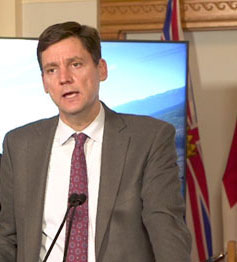
“On this day in 1989, 14 young Montreal women were murdered for one reason: They were women.
“Most of the victims of the École Polytechnique massacre were students at the school, studying in male-dominated engineering fields. They were smart, hard-working and ambitious. They had their whole lives ahead of them. One violent act of hate stole so much from so many: the holidays, graduation, rewarding careers and future families.
“Today, we remember and honour those women. We stand with the survivors of this senseless attack, many of whom have physical and psychological injuries that last a lifetime. And we grieve with the families and friends who lost a loved one on that dark day.
“Thirty-six years after the Montreal massacre, misogyny and violence against women remain deeply rooted in our society. In the past year, there have been several horrific attacks in B.C. that remind us how urgently we need to address this issue.
“Our government is committed to ending violence against women and ensuring survivors get the support they need.
“That work starts with prevention and it starts early. That is why we are supporting educational and awareness programs in K-12 and post-secondary schools. One of the first forms of gender-based violence that many young people experience is having their intimate images shared without their consent. This fall, we took further steps to prevent this by raising the ceiling on fines for offenders, while improving privacy protections for survivors so they feel safer coming forward.
“Our legal system plays a critical role in preventing violence against women and holding those who use violence accountable. That is why we commissioned Kim Stanton to lead an independent review into how the system responds to sexual violence and intimate-partner violence. We are responding to the recommendations in the report and will have more to say in the coming days.
“We have also successfully lobbied the federal government for bail and sentencing reform, including measures to impose stronger consequences for repeat and violent offenders and provide better protections for survivors of intimate-partner violence. Our goal is a justice system that delivers safety, dignity and justice for survivors.
“As we work to eliminate violence against women, we will always be there for survivors. That includes creating more safe housing for women fleeing violence, supporting Indigenous-led approaches and providing stable funding for more than 475 victim-service programs and violence-against-women prevention programs.
“We know there is more to do. We will continue to do that work in memory of the women we lost on Dec. 6, 1989, and the many more since then.”
- Niki Sharma, Attorney General: “Thirty-six years after the École Polytechnique massacre, misogynistic violence continues to devastate lives. This day reminds us why we must transform our justice system. Women deserve more than remembrance. They deserve safety, dignity and justice. Survivors have told us where the system fails and we have listened. We’re working to transform the system to ensure accountability, protection and respect. We will not stop until every woman is safe and supported.”

- Jennifer Blatherwick, parliamentary secretary for gender equity: “Every year on December 6, we remember the women whose lives were stolen by violence and we recommit to building a future where every woman and girl is safe, valued and free. Remembrance must be matched with action because mourning without change is not enough. We will continue to take action, year over year, to end violence against women, girls and gender-diverse people.”
Statement by Prime Minister Carney on the National Day of Remembrance and Action on Violence Against Women
Prime Minister Mark Carney – Ottawa – Dec 6, 2025
“Today, we remember the 14 young women whose lives were stolen at Polytechnique Montréal 36 years ago. Their names, and the promise of the futures they never had the chance to live, remain a solemn reminder of the devastating toll of gender-based violence.
The horror of December 6, 1989, was an attack on women and the values of equality, dignity, and respect that define who we are as Canadians. It compels us, year after year, to confront gender-based violence wherever it persists and to match remembrance with responsibility.
To that end, our government is taking concrete actions to protect Canadians from gun violence, including gender-based violence, in communities across the country. We are working to reinforce firearms restrictions for individuals who engage in violence against intimate partners or family members. We are restricting conditional sentences for those convicted of sexual assault – ensuring these offenders serve their sentence behind bars, not out in the community. We have invested in efforts to raise awareness about ‘red flag’ laws to help protect people from gun violence, including gender-based violence, and we are providing stable, ongoing funding of $660.5 million over five years to ensure sustained progress toward equality and safety for women and girls. Through the National Action Plan to End Gender-Based Violence, we are working with provinces and territories to support victims and strengthen violence prevention, tailored to the specific needs of each jurisdiction. We are also moving forward on responding to the Calls for Justice from the National Inquiry into Missing and Murdered Indigenous Women and Girls. There remains much more to do, and our government will remain relentlessly focused on preventing gender-based violence and supporting the victims of these crimes.
As we mark the National Day of Remembrance and Action on Violence Against Women, we honour the victims of Polytechnique Montréal and all those whose lives have been changed forever by gender-based violence. We reaffirm our responsibility – as a government and as a country – to build a safer, stronger Canada for everyone.”
Statement from Conservative Leader Pierre Poilievre on the National Day of Remembrance and Action on Violence Against Women
December 6, 2025
“On December 6, 1989, fourteen young women were murdered at École Polytechnique in Montreal: a cowardly act of violence targeting female students solely because they were women. This tragedy left a profound scar on our national conscience and remains forever etched in Canada’s history, particularly in Québec.
“On this National Day of Remembrance and Action on Violence Against Women, we pause, with respect and solemnity, to honour the memory of those victims:
“Geneviève Bergeron. Hélène Colgan. Nathalie Croteau. Barbara Daigneault. Anne-Marie Edward. Maud Haviernick. Barbara Klucznik-Widajewicz. Maryse Laganière. Maryse Leclair. Anne-Marie Lemay. Sonia Pelletier. Michèle Richard. Annie St-Arneault. Annie Turcotte.
“This is not just a time to remember their names. It is a time to fight for our country’s promise: that every woman – regardless of background, profession, or circumstance – can live safely, with dignity and free from fear.
“Today we lower our flags in sorrow, and our hearts are heavy with the memory of those we’ve lost.
“Our fight against violence toward women is a moral imperative. It calls for unity, collective responsibility, and vigilance: in our workplaces, homes and communities.
“We must continue to act – with resolve and with respect – in memory of the victims, in solidarity with survivors and for the future of our daughters.”
Message from the Governor General on the National Day of Remembrance and Action on Violence Against Women
December 6, 2025
“On December 6, 1989, 14 women were murdered at the hands of a man who believed his problems were caused and perpetuated by women.
The misogyny that led to such a horrific outcome still exists today. Increasingly disturbing behaviour towards women, girls and 2SLGBTQI+ peoples, including hate-fuelled online discourse and physical and emotional abuse, create a climate of fear and insecurity that has no place in Canada.
But hope is not lost, so long as we dedicate ourselves to action. To end gender-based violence, we must continue to speak out against those who minimize the contributions of women and who attempt to silence their voices with threats and aggression.
Geneviève Bergeron, Hélène Colgan, Nathalie Croteau, Barbara Daigneault, Anne‑Marie Edward, Maud Haviernick, Barbara Klucznik-Widajewicz, Maryse Laganière, Maryse Leclair, Anne-Marie Lemay, Michèle Richard, Sonia Pelletier, Annie St-Arneault and Annie Turcotte.
We will remember you.”