



Monday February 2, 2026 | VICTORIA, BC
by Mary P Brooke | ISland Social trends
A new camping surcharge is being introduced for park visitors who live outside of BC. There will also be fee increases by BC residents at various popular parks.
In a news release issued January 29, the BC Ministry of Environment and Parks said that an increase in visitors (about 30% more over the last six years), an increase in operating costs, and dealing with the impacts of extreme weather has put pressure on the most popular BC Parks locations.
To manage the growth and further invest in park services, the Province says they are updating camping fees for the first time since 2016.
The higher fees will be in place at 59 high-demand front-country parks and four back-country parks, while fees remain unchanged in 388 parks.
Beginning May 15, 2026, non-B.C. residents will pay an additional $20 flat rate for staying in frontcountry campgrounds, trips to backcountry parks, renting a cabin and using mooring buoys and docks. Residency will be assessed by the home address people provide when making a reservation or arriving at a campsite that’s first come, first served.
Approximately 15% of BC Parks visitors are from outside of the province and many of them visit the most popular locations.
Strain on infrastructure:
That has put a strain on aging infrastructure, trails, day-use areas and the natural environment, particularly at BC Parks’ most popular locations. At the same time, floods and wildfires have caused widespread damage to facilities and infrastructure, driving the need for significant repairs and ongoing reinvestment to keep parks open, safe and accessible.
Since 2017, the Province reports that it has responded to these pressures by investing approximately $200 million into campground expansions, accessibility improvements and upgrades to trails, parking and facilities.
In addition, nearly $27 million has been spent repairing infrastructure damaged by severe weather, such as the Berg Lake Trail in Mount Robson Park and the Othello Tunnels in Coquihalla Canyon Park.

Parks are important:
“As British Columbians, we care deeply about our parks and recreation areas, and we recognize the significant cultural, economic and recreational roles they have for communities. At the same time, they have seen challenges, from extreme weather impacts to significant increases in visitors,” said Tamara Davidson, Minister of Environment and Parks.
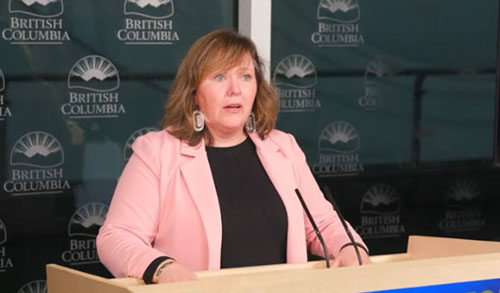
“By renewing the parks and recreation system, we are creating a more sustainable operating model that strengthens stewardship and long-term protections of the natural spaces people cherish.”
Updated camping fees for BC residents:
B.C.’s camping fees remain competitive with other Canadian jurisdictions, says the Environment and Parks Ministry.
The government says it will continue to vary by service level, demand and season to reflect the cost of operating and maintaining different park experiences.
For B.C. residents, updated camping fees in the 59 high-demand frontcountry parks include:
- an average increase of 40 cents per night during shoulder season
- an average increase of $13.29 per night during the summer
- a resulting average nightly rate of $30.81 in shoulder season and $42.91 in the summer
The fee updates for backcountry camping in Garibaldi Park, Golden Ears Park, Joffre Lakes Park and Mount Assinboine include
- an average fee increase of $13.62 per night
- nightly fees ranging from $17 to $25 per night, depending on the park
Fees unchanged in 388 parks:
Fees will remain unchanged for 388 parks that have frontcountry and backcountry camping so people can choose from a range of experiences at different prices. There are also no fee changes for B.C. residents to use sani-stations, mooring buoys, picnic shelters and group camping.
During the past decade, the number of people visiting the 59 frontcountry parks has increased by an average of 40%, representing nearly half of all frontcountry campground visits. The fee adjustments will go directly toward supporting the wide range of services people expect in these B.C. parks.
Frontcountry refers to any area within one kilometre of a park road or highway.

Park investments since 2016:
Since the last fee increase in 2016, the Province has invested in several major projects, including:
- The new Skyview Campground in E.C. Manning Park. The campground opened in 2022 and has 92 sites with hookups for water, power and sewer, making it the first fully serviced campground for BC Parks. A heated shower building and playground are part of the $4.4-million project.
- In 2024-25, 46 new sites were added to China Beach campground in Juan de Fuca Park on Vancouver Island. The $2.4-million project also includes two new accessible washroom and shower buildings.
- Extensive repairs to the Berg Lake Trail in Mount Robson Park after severe flooding damaged most of the infrastructure along the trail in July 2021. The trail was repaired in phases and cost approximately $5 million.
- A redesigned BC Parks website that makes it easier for people of all abilities to find information and plan trips to provincial parks, and a new online reservation service.
Camping reservations available three months in advance:
This year, reservations are available three months ahead of the desired arrival date and are now open for select parks that offer camping in April. Bookings for May, including the May long weekend, will be available throughout February.
The updated camping fees are being implemented following broader engagement with park users and partners about how to improve camping and park experiences.

Camping fees:
To stay at a BC Parks campground, you may have to pay:
- Camping fees and a non-resident fee, which pay for your campsite and other facilities
- Transaction fees, which pay for use of the reservation service
Parks BC Links:

===== RELATED:
NEWS SECTIONS: PARKS & TRAILS | ENVIRONMENT & SUSTAINABILITY | TOURISM