



Saturday August 9, 2025 | FORT ST JOHN, BC [Posted at 3:35 pm| Updated 3:46 pm]
by Mary P Brooke | Island Social Trends
This has been a long time in coming.
The Site C hydroelectric dam project on the Peace River has been politically controversial for decades.
BC Hydro now calls it the Site C Clean Energy Project.

Timeline:
The Peace River is located in the northeast corner of British Columbia. It has long been recognized that the river has significant potential to generate electricity.
BC Hydro began engineering studies for Site C in 1971. By 1980, two of three productive sites had been exploited (see map).
The Site C project received environmental approvals from the federal and provincial governments in October 2014, then got the green light from the Government of BC in December, 2014.
Since July 2015, BC Hydro, the provincially owned power utility, has been constructing a dam at the third site. This third dam, the Site C project, has become a subject of intense controversy over cost and environmental impact.

In February 2021, the Government of British Columbia announced a revised cost estimate of $16 billion to complete the Project, along with a new expected in-service date of 2025.
The sixth generator is now in operation. The milestone in BC’s energy self-sufficiency and growth goals is a quiet completion, with a news release issued today on a summer Saturday morning.
BC Utilities Commission:
In the early 1980s, BC Hydro went before the newly formed British Columbia Utilities Commission (BCUC) — a new level of governance oversight that was created to ensure that ratepayers received safe, reliable, and nondiscriminatory energy services at fair rates from the utilities it regulates.

Slow start, keeping pace
In November 1983, the BCUC issued a 315-page summary that stated the dam was not needed at that time, while at the same time criticizing BC Hydro’s forecasting ability.
For all the political complaints and environmental concerns over the years, in the modern age people want electricity on demand. BC Hydro is scrambling to keep up as the population grows with demand for home operations, electronic devices, and all the community infrastructure around that including industrial and commercial facilities.
Over the long term, BC Hydro and various governments had the foresight to keep plugging away at the ability to produce electricity. BC’s natural wealth of rivers and lakes sets this province up for producing affordable clean electricity.

Six units now operational:
Today BC Hydro announced that the utility corporation has reached a historic milestone with the successful commissioning of the sixth and final generating unit on the Site C project.
“With all six units now in service, Site C has the capacity to generate more than 1,100 megawatts of electricity, and enough energy to reliably power about 500,000 homes annually,” said BC Hydro today in a news release.
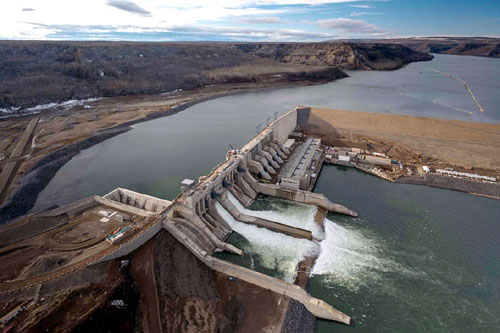
The project increases BC Hydro’s total electricity supply by about eight per cent, strengthening energy reliability and supporting the province’s growing need for clean power.
Minister Dix statement:
“The commission of Site C’s final generating unit is another step forward to securing B.C.’s clean energy future,” said Adrian Dix, Minister of Energy and Climate Solutions.

“I extend my sincere appreciation to the thousands of people who worked on Site C over the past decade – because of your work, generations of British Columbians will benefit from reliable and affordable clean electricity.”
10-year timeline:
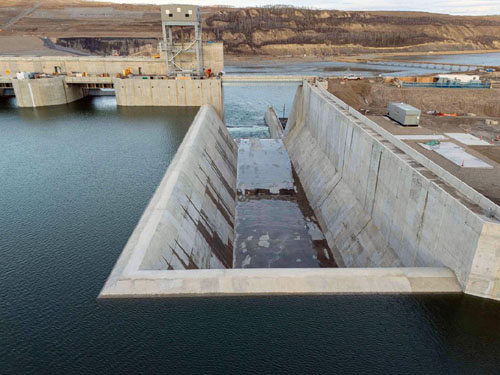
Construction on Site C began in 2015 and the first generating unit came online in October 2024, with subsequent units coming into service over the following 10 months. Key project structures such as the earthfill dam, powerhouse, spillways, approach channel, substation and transmission connection to the provincial grid continue to perform well.
“Bringing the final generating unit online is a proud moment for everyone at BC Hydro,” said Charlotte Mitha, BC Hydro President and CEO.
“Site C represents years of dedication, innovation, collaboration and overcoming challenges. Now that Site C is in full operation, it will serve our customers for the next 100 years and play a critical role in ensuring a stable and reliable electricity system,” said Mitha in a statement today.
Remaining work:
With the sixth generating unit in operation, the focus of the remaining construction work on the project will include completing the powerhouse and generating station, finishing paving on access roads, final equipment commissioning and addressing any deficiencies.
Work also continues to backfill the tunnels used to divert the Peace River, and revegetate areas no longer required for construction.

Still a hazardous work zone:
BC Hydro is still strongly urging members of the public to stay away from the Site C reservoir and surrounding slopes as there are a number of hazards on the reservoir that continue to make it unsafe for public access.
These potential hazards include floating vegetation debris and the surrounding land and shoreline continuing to stabilize.

Boat launch to open in 2026:
The new BC Hydro public boat launches will open when the reservoir is deemed safe, which is expected to be spring 2026 at the earliest.

===== RELATED:
- Rooftop solar installation supports commercial-industrial complex in Coldstream (August 6, 2025)
- BC Hydro call for power supports BC as economic engine of Canada’s new economy (July 29, 2025)
- Powering a clean-energy future asks more of BC Hydro (June 4, 2025)
- Powering 500,000 more homes in BC with clean energy and second call to power (May 5, 2025)
- John Horgan’s Site C Problem (In-Roads Journal / Spring 2018)
- NEWS SECTIONS: ELECTRICITY & CLEAN ENERGY | BC HYDRO