


Monday October 27, 2025 | VICTORIA, BC [Also see: Federal bail reform legislation gets thumbs up in BC – Oct 24, 2025]
by Mary P Brooke | Island Social Trends
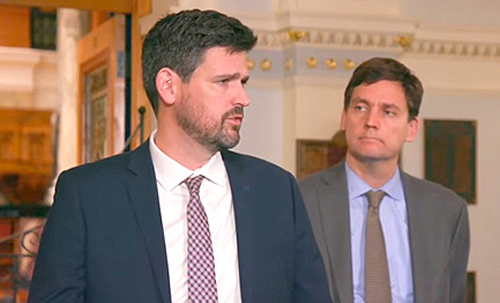
Federal Minister of Justice and Attorney General Sean Fraser was in Victoria today, sharing the podium with BC Premier David Eby and BC Attorney General Niki Sharma,
He clearly wanted to acknowledge and highlight the BC government’s role in spearheading the changes that have resulted in Bill C-14 – Bail and Sentencing Reform Act which was introduced in the House of Commons on Thursday October 23.
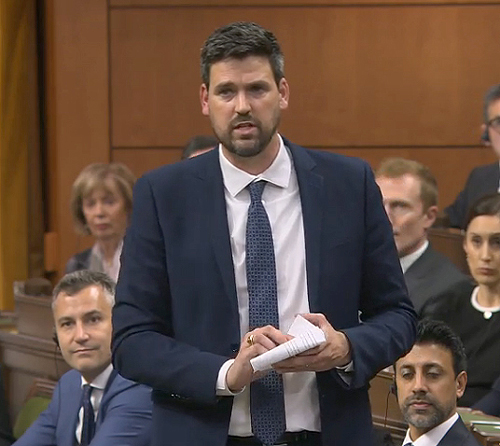
Last week, Sharma said she was pleased that BC had significantly informed the development of the new federal crime bill that is a response to public concern about increased crime and related safety issues in communities across the country.

Public safety issue:
The issue of public safety is something the Conservatives highlighted last year but the Liberals campaigned on it in the spring 2025 election and are now championing the issue.
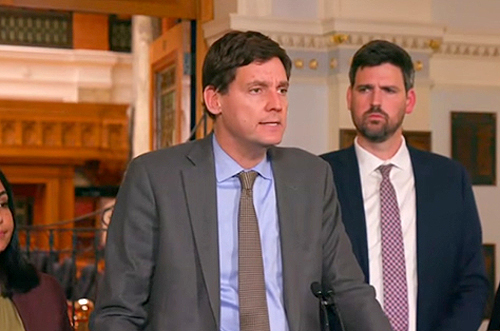
Today Premier Eby said the root of the problem of disorder that results in a threat to public safety is a loss of respect for the law among people who think they can get away with crimes that are violent and destructive.
Those crimes often threaten the safety of people and communities.

Collaboration:
Attorney General Fraser said he heard from and received input on the preparation of Bill C-14 from all the political parties and from governments across the country.
But it was BC that stepped up first and foremost, he outlined, including that BC influenced Bill C-14 in a way that resulted in:
- a series of reverse onuses
- stiffer penalties when there is choking or stragulation
- that a convicted person be held awaiting sentencing
- that violence in crimes of exortion result in stiffer sentences

Premier Eby tough on lawyers:
Today BC Premier David Eby was blunt about where the law profession (of which he is a member) is at with regard to bail reform and application of the law as it impacts community safety.
He notes “The failure to hold these individuals accountable”, referring to criminals who are easily set free on bail.
Eby said that lawyers are “losing touch with where ordinary people are at” and that they should “take a moment and reflect”.

About Bill C-14:
Bill C-14 is an Act that includes Criminal Code reforms that reflect many of the priorities that BC has championed:
🚨 Reverse-onus bail in high-risk cases
🚨 Stronger consequences for repeat violent offenders
🚨 Better protections for victims of intimate-partner and gender-based violence
🚨 New tools to address extortion and serious repeat offences
The reforms would introduce over 80 clauses of targeted changes to the bail and sentencing framework in the Criminal Code, informed by extensive consultations. They would also make amendments to improve the youth justice system.
A strong Canada means strong protections for our communities and a Criminal Code that responds to emerging threats, protects victims of crime, and keeps our kids safe. This is the latest in a series of reforms to strengthen community safety and Canada’s justice system. In the coming months, the Government of Canada says it will bring forward further changes to address court delays, strengthen victims’ rights, better protect people facing sexual and intimate partner violence, and keep children safe from horrific crimes.

Stricter bail laws
The Act would make bail stricter and harder to get, including in cases of repeat and violent offending. It would create new reverse onuses, meaning the starting point is detention and the accused would have to prove why they should be released on bail.
When considering whether to grant bail, the amendments would direct police not to release an accused when it is against the public interest or when detention is needed to protect victims, or witnesses. Courts would be required to consider specific factors, including if the allegations involved random or unprovoked violence and if the accused has any outstanding charges, and to set stricter conditions, including weapons bans. Changes would make clear that in reverse onus cases, courts must closely scrutinize the bail plan of the accused, who would be required to clearly demonstrate that their plan is reliable and credible, in order to be released on bail.
Tougher sentencing laws
The Act would also toughen sentencing laws for repeat and violent crime, including car theft and extortion, meaning those found guilty can spend more time in prison. Proposed amendments would require consecutive sentences for violent auto theft and break and enter, and extortion and arson, and allow them for repeat violent offending. This means serving one sentence after another instead of serving sentences for multiple offences at the same time.
New aggravating factors would apply to crimes against first responders, retail theft, and theft or mischief that harms essential infrastructure. The Act would also end house arrest for certain sexual assault and child sexual offences, restore driving prohibitions for criminal negligence causing bodily harm and death and manslaughter, and strengthen fine enforcement.

Provincial action would be required:
These changes to the Criminal Code by the federal government will only be effective if provincial and territorial governments do their part in supporting their implementation. This includes properly managing and resourcing the administration of justice, including police and prosecution services under their jurisdiction, bail courts, bail supervision programs, provincial courts, jails and victim services. The federal government looks forward to continuing to work with provincial and territorial governments to ensure the proper functioning of the criminal justice system.


=====RELATED:
Public safety: federal bail reform bill gets thumbs up in BC (October 24, 2025)
NEWS SECTIONS: 45th PARLIAMENT OF CANADA | 43rd PARLIAMENT OF BC