



Thursday December 11, 2025 | VICTORIA, BC [Posted 10:56 am | Last update: December 15, 2025]
Editorial commentary by Mary P Brooke | Island Social Trends
Comments may be sent to: letters@islandsocialtrends.com
Some call it ‘hidden’ or ‘invisible’. Let’s call it non-obvious or unseen.
A bit of word parsing first:
- Hidden implies intent to conceal; invisible implies no capacity to be seen.
- Non-obvious means it’s there but not right in your face; unseen means it’s there but perhaps not easily evident.
Now in context. There are numerous chronic or acute health conditions that people deal with and suffer from which impair their ability to optimally function in their daily lives and broader society. This is not just by uncomfortable or unfortunate circumstance or attributable to the vagaries of aging. Not every injury or illness wears a big red flag for the benefit of others.
Obvious and less so:
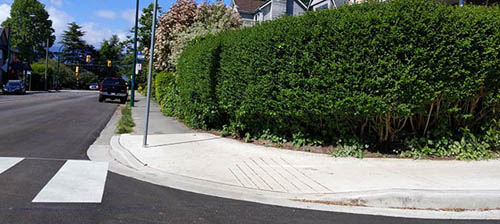
Obvious disabilities generally get support now in society. People in wheelchairs or who use walkers or canes get a special nod in social settings. And there is generally quite a bit more infrastructure to help with mobility such as sloped curbs and designated parking spots.
Less obvious disabilities generally still are not well accommodated in everyday society. That might include people suffering from varying stages of multiple sclerosis or a neurological disorder, a systemic condition like severe osteoarthritis, bone problems such as spurs and decalcification, or a chronic metabolic or immune condition — and any of these can involve one of the most challenging of ‘unseen’ conditions which is pain.
These less obvious scenarios are just as debilitating to the person experiencing them but seemingly more frustrating to people who interact with the sufferers.
Short term or permanent:
Disabilities can be temporary, situational or permanent.

Societal bias:
There still seems to be a bias against the less obvious disabilities that impair a person’s ability to fully function in society. Perhaps that’s a throwback to ‘dog eat dog’ or ‘may the best man win’.
Pushback against people asking for consideration around their non-obvious disabilities reveals a societal bias.
Pushback to the Hidden Disabilities Sunflower campaign itself might ironically be within the name itself… people don’t trust something that is hidden (intentionally kept from view). A better word-choice would be ‘unseen’ or ‘non-obvious’.
And it’s not just about physical challenges for people with health setbacks… their condition often requires more interface with the health-care system which sucks up time and often produces frustration (some doctors and nurses also carry bias against the unseen).

People who are challenged with mobility or pain are often less able to function in employment, and their hours of availability for a full life in their community can frequently be curtailed.
People don’t use health challenges as an excuse for special consideration. They just want a fair shake at life the same as anyone else. Let’s face it — the world is a competitive place. People need to run with the wolves or at least be given a fair shot at it.
Sunflower campaign:
Something called the Hidden Disabilities Sunflower campaign started in England and is becoming known in the accessibility and care communities.

It’s considered to be a simple tool by which a person can voluntarily share that they have a disability or condition that may not be immediately apparent – and that they may need a helping hand, understanding, or more time in shops, at work, on transport, or in public spaces.
People who deal with unseen health issues may choose to wear a sunflower pin or display the symbol in their workspace. Businesses may use the symbol to indicate their awareness and willingness to help.
“The Sunflower is a cue for compassion, a quiet way for someone to say they may need additional assistance, patience, or understanding,” says District of Saanich Councillor Teale Phelps Bondaroff. “When someone wears the sunflower symbol, it creates a simple but powerful opportunity for understanding, patience, and support.”

Bondaroff brought up the campaign and topic for discussion at a recent District of Saanich council meeting.
“I hope that municipalities and other organizations across the region will consider joining the Sunflower Campaign. As more organizations join, the experience of the many people in our community with unseen disabilities will improve, and they will be able to better navigate our community with greater confidence, comfort, and dignity,” said Phelps Bondaroff in a statement to Island Social Trends.

Making it seen:
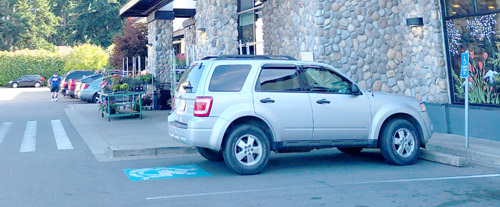
Fortunately this is a time of social evolution in which issues like this can see some progress. Adjustments to infrastructure in walkable/drivable spaces are great, as are ramps and elevators in urban spaces and parking spaces for people with disabilities as well as pregnant moms.
But the bias against less than perfect mobility is still prevalent when there is the expectation that everyone who participates in society should have the same level of capability.
Should people feel compelled or be required to reveal a health condition that might not be obvious? Is there an obligation to inform people around them — and will that bring disfavour and lead to disadvantage or will it help?
Wear a sunflower pin? If someone offers their reason for why they are unavailable or not able to fully participate, believe them. People don’t fabricate health-challenge stories — let alone reveal them — unless they mean to tell you what you need to hear.
This is a new area of societal debate that might seem frivolous at a time of great economic challenge and greater worries for communities. But let’s add it to the heap of things that a compassionate modern society wants to be aware of and address when they can.
As is often the baseline to addressing most societal challenges, education is the key. The more people who understand about ‘unseen’ health conditions, the better things will be for everyone concerned.

Comment from the Ministry of Social Development and Poverty Reduction:
The Minister of Social Development and Poverty Reduction is Sheila Malcolmson.
Parliamentary Secretary for Accessibility, Dana Lajeunesse (Juan de Fuca-Malahat) handles the Accessibility file within the Ministry of Social Development and Poverty Reduction.
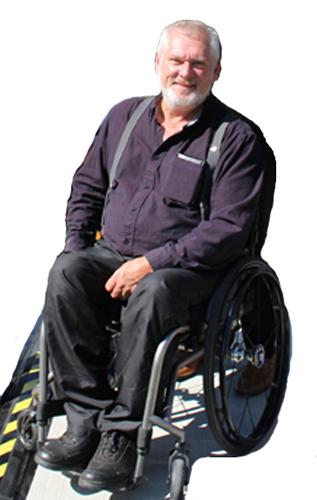
“We know disabilities can be visible or less apparent and that barriers can take many forms, and we commend those who are working to build awareness,” said Dana Lajeunesse, Parliamentary Secretary for Accessibility, in a statement to Island Social Trends.
“The B.C. government’s approach is broad and inclusive, recognizing short-term, episodic or chronic conditions. We also fund a wide range of initiatives through Disability Alliance of BC’s Accessibility Grants, where we recently invested $450,000,” he said.
“From entrepreneurship to wheelchair sports, arts, and emergency planning, we are building a province where everyone is included,” says Lajeunesse.

Reader comments:
“Thanks. When you have lived with pain your entire adult life, you see other peoples pain. In their stance, their gait, the expression on their face. You see them. Many people do not. Ableism is annoying, this “courage to come back awards” feels like that.” ~ Kim Poirier (Facebook)
Reader comments for posting on this page may be emailed to: letters@islandsocialtrends.ca

===== RELATED:
- Saanich grassroots group promotes improved access to primary health care (December 12, 2025)
- Cold weather safety and preparedness for seniors (December 7, 2025)
- BC Transit reaches out to handyDART users in Greater Victoria (November 28, 2025)
- Nigel House opens in Saanich for seniors, veterans & adults with disabilities (October 20, 2025)
- Accessibility is the hot summer topic (July 12, 2024)
- NEWS SECTIONS: DISABILITIES & ACCESSIBILITY | FAMILY & SOCIETY | POVERTY REDUCTION