

Housing crisis: BC speculation tax won’t fix it, but supply increase will help
by Mary P Brooke, Editor, West Shore Voice News
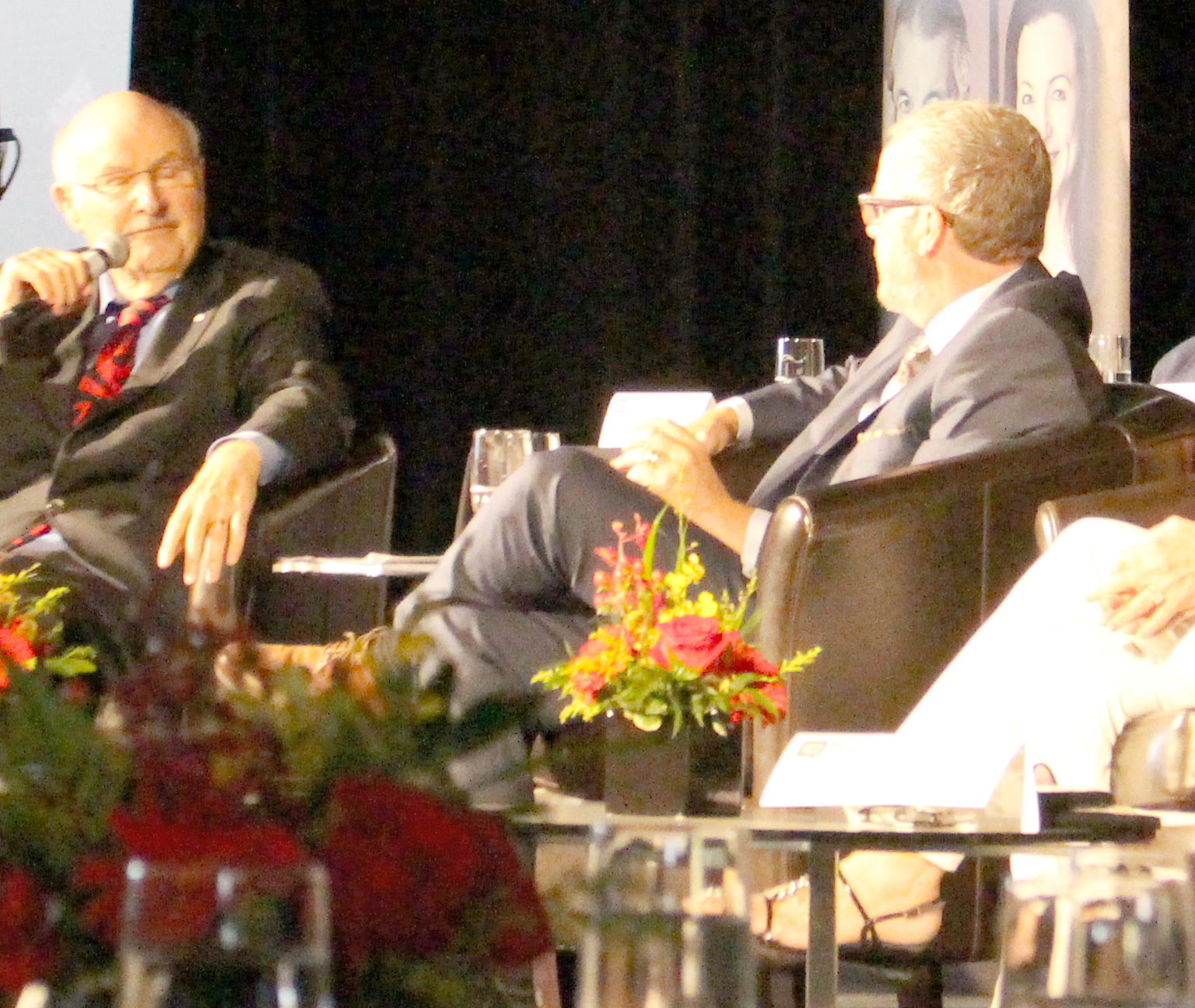
The event conveyed a clear message that the BC Speculation Tax would be harmful to the BC economy overall and the housing market specifically (especially renters), tagged with a further message that getting creative with growing the economy is more successful for all sectors than is additional and situation-specific taxation.
Former BC NDP Premier Mike Harcourt clarified at the outset: “It’s not a housing crisis, it’s a permanent condition in BC.” He expanded on that, saying that sustainability and housing affordability is a problem all over the world. Saying that the 21st century is “a century of cities”, Harcourt and other speakers really turned to local governments as part of the problem and much of the solution.
Cities have the power to change zoning, and handle the processes for development permits more promptly and efficiently. “City halls are causing a huge amount of the increase in the cost of housing,” Harcourt said. When developers hold onto property for lengthy periods, the cost of interest to wait for the development green light ultimately gets passed onto homebuyers.
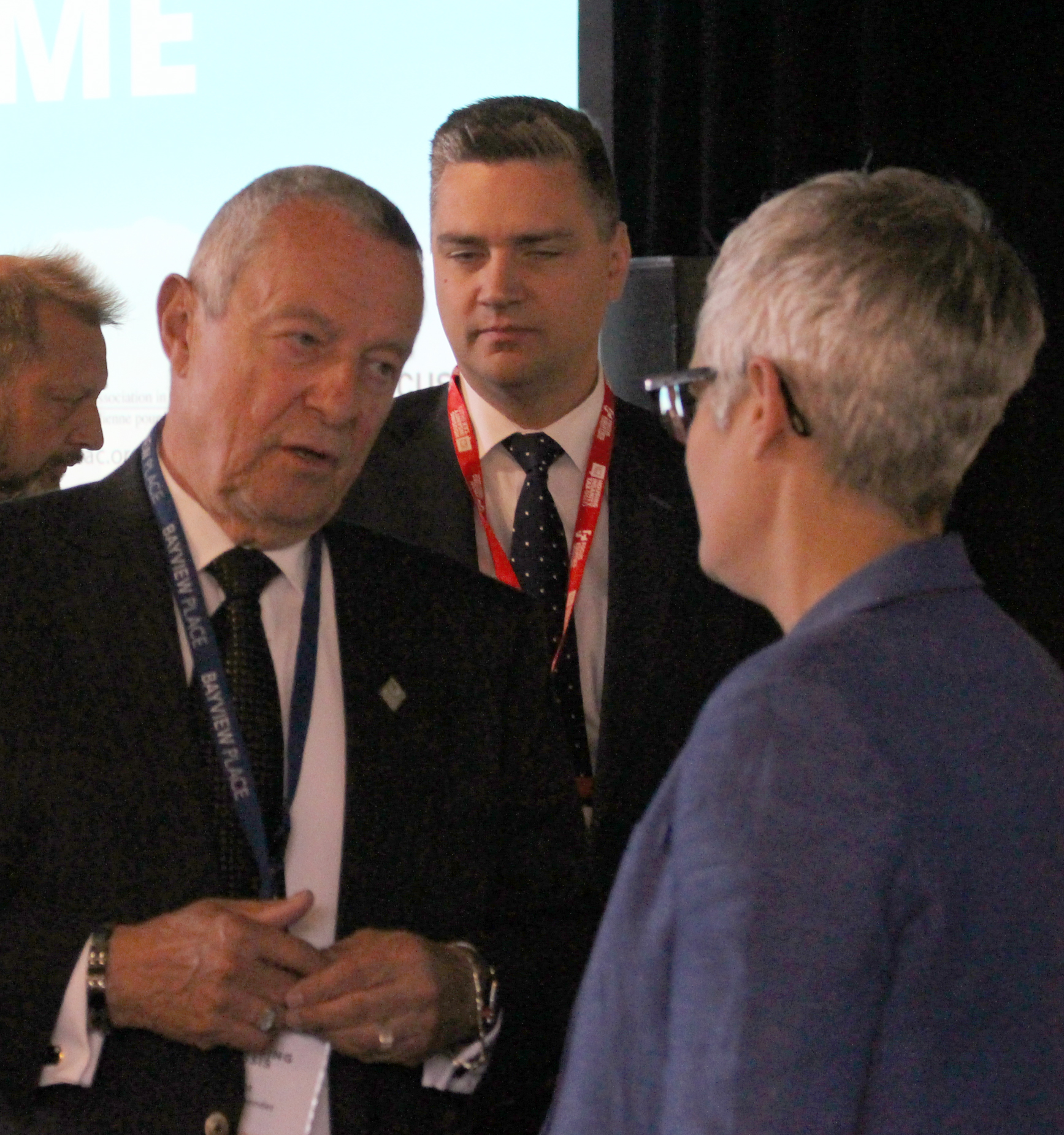
On the matter of what type of housing needs to be built in BC, Fassbender said that single family homes as the mainstay of the housing market is not going to change, it already has changed. He has listened, and hears that young people are “into living a different lifestyle” that would be served by higher density housing and more efficient transit systems for the target communities. That in turn allows for young talent to live in larger centres where the high-tech jobs of the future are located. People who are displaced from the city areas “have no place to go”, Fassbender said.
“To deal with affordability, you build the economy, then let the entrepreneurial spirit loose and let people build the economy,” said Fassbender.
Former Saskatchewan Premier Brad Wall took a moment to ask everyone in the room – indeed, all Canadians – to show their support for the current federal government and Prime Minister Justin Trudeau in their current battle of words and tariffs with the US President and White House team. Negative comments hurled at Trudeau by top White House officials following last weekend’s G-7 Summit have shocked many, including citizens across the United States and Canada. Tweets, letters, emails… it all helps. “Trudeau deserves the support of every single Canadian,” said Wall, urging people in the room to keep this support “top of mind, front of mind”.
Wall questioned the likelihood of the BC Speculation Tax as being able to “address the goal of the tax”. If more rental vacancy is the goal, does this tax which starts at 0.5% this year (going up to 1% in 2019 for affected residents in BC and 2.0% for non-Canadians) serve to truly increase rental supply? Brad Wall suggests “this tax will affect mostly people of means”. Indeed, some political opponents of the tax have called an ‘envy tax’.

Langford’s success with zoning efficiencies was mentioned. Afterward Langford Mayor Stew Young said that zoning approvals are frequently achieved within three months, and that building permits can often be issued in about 48 hours. This helps developers get on with the job of building homes.
Stew Young agrees with the idea of the capital gains tax being increased from 7% to 10%, an idea that was floated during the formal presentations. The increase could be directed toward development of affordable housing. He added that additional taxation “steals assets from hard working families”.
Victoria Mayor Lisa Helps addressed the crowd at the start of the lunch. She summarized that Victoria’s economy has been prosperous “but it’s not going to stay that way until we crack the housing nut”. She pitched for the BC Government to find something “in place of the speculation tax”.
The crowd was served coffee, an appetizer, lunch and dessert during the 2-hour session of speeches, panel presentations, and questions from the audience. The day was hosted as the 6th Annual Kenneth W. and Patricia Mariash Global Issues Dialogue. Ken Mariash spoke highly of the zoning and permit efficiencies in Langford, and that a speculation tax only works when there is no supply issue.
Increasing housing supply was the main overall going-forward message of the day. The BC Government’s 30-point plan does outline various programs and funding initiatives to increase housing supply – the promised 114,000 units over 10 years, but much of that is targeted to specific socioeconomic groups and not a direct support to the development industry that produces the housing units that are needed in BC. Recent research by the BC Non-profit Housing Association shows that 34,167 more housing units will be needed in the Greater Victoria area by 2038.
Back to Langford breaking news page | Back to the main page of West Shore Voice News